AtaGenix Laboratories

AtaGenix Laboratories
Release time: 2025-11-05 View volume: 1129
Custom research services have always been the core business of AtaGenix (a subsidiary of Pujian Biotech Group, established in 2011). Over the past decade, we have served more than 150 species across 12 major categories, ranging from tiny bacteria to complex human proteins and from common laboratory model organisms to agricultural pests, deep-sea microbes, and extremophilic archaea—truly achieving “boundary-free” custom research.
Plants: Decoding Resistance from Rice to Chili Peppers
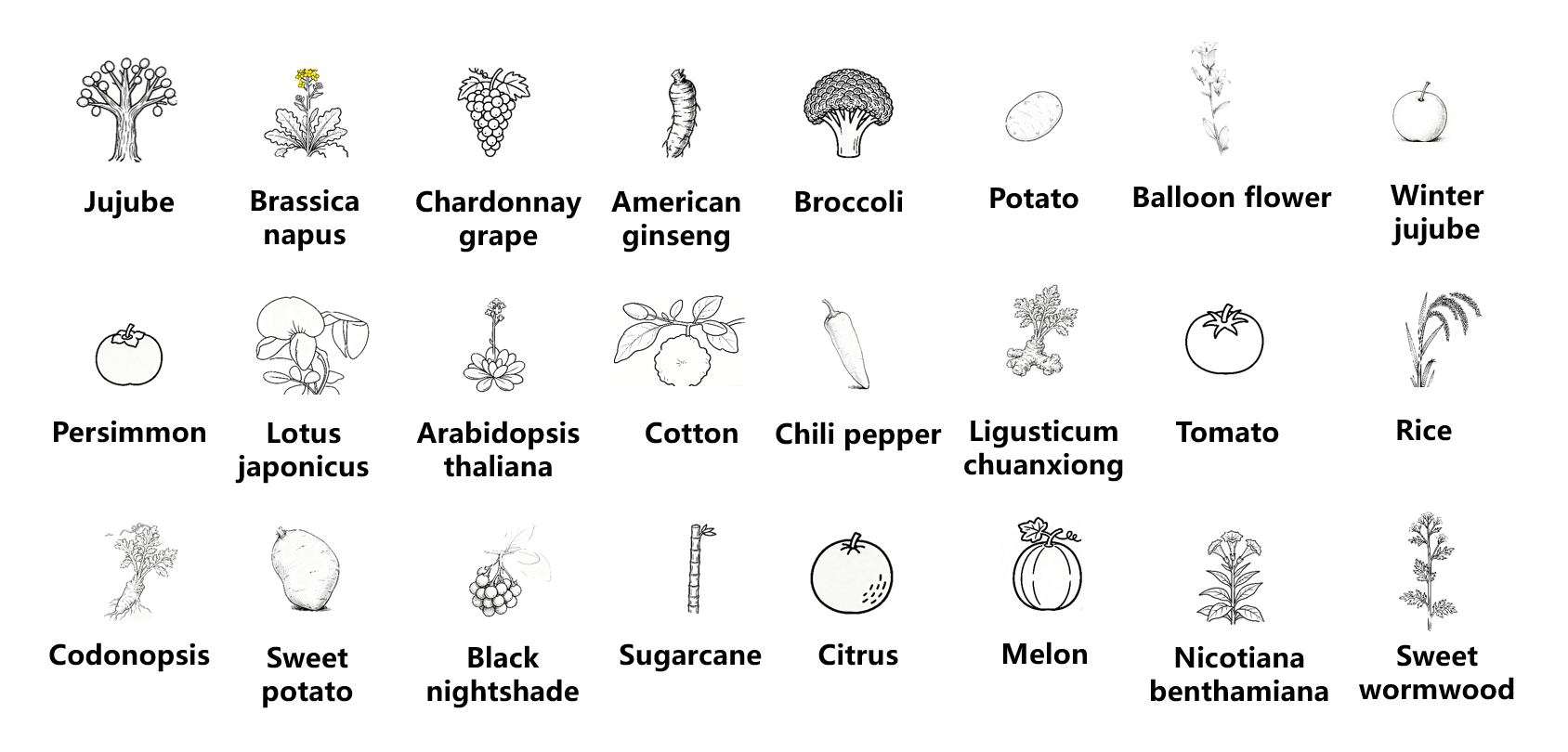
Literature Example 1—Rice:
Guo, Naihui et al. Nature communications
The study cloned the rice seed dormancy-related gene SDR3.1 and elucidated its function and domestication selection. AtaGenix developed a highly sensitive polyclonal anti-SDR3.1 antibody, successfully used to detect the “low-abundance SDR3.1 protein” in gene knockout mutants, validating the knockout effect.

Literature Example 2—Arabidopsis:
Liu, Yunpeng et al. Nature microbiology
The study found that the secreted protein YukE from Bacillus velezensis SQR9 inserts into plant root cell membranes. AtaGenix simultaneously developed polyclonal antibodies against YukE and RpoD, used in this paper to jointly validate the secretion of YukE by SQR9’s T7SS via Western blot.

Literature Example 3—Chardonnay Grape:
Guo, Li et al. Nature genetics (2025, Online ahead of print)
The study constructed a grape super-pangenome, revealing structural variations for downy mildew resistance. AtaGenix developed a grape-specific CENH3 antibody for ChIP-seq chromatin mapping, specifically recognizing CENH3 proteins in grape centromere regions to precisely locate centromeric chromatin in the genome.

Literature Example 4—Chili Pepper:
Chen, Weikai et al. Nature communications
The study reported a telomere-to-telomere (T2T) gap-free chili pepper genome, uncovering the evolutionary mechanism of capsaicin. AtaGenix developed a chili pepper-specific CENH3 antibody as a key tool for ChIP-seq experiments, specifically recognizing CENH3 proteins in the centromere regions of C. annuum to precisely map centromeric chromatin.

Mammals: Signaling Pathways from Mice to Chickens

Literature Example 1—Mouse:
Huang, Yue et al. Nature communications (2025, Online ahead of print)
The study discovered that the SERBP1-PCIF1 complex mediates m⁶Am modification to regulate neuropathic pain. AtaGenix efficiently expressed and purified full-length recombinant SERBP1 protein, supporting in vitro validation of SERBP1’s interaction with PCIF1 and their synergistic regulation of m⁶Am modification.

Literature Example 2—Chicken (IBDV)
Hu, Xifeng et al. Journal of virology (2023)
The study found that CDK1-Cyclin B1 phosphorylates VP1 at Ser7 to promote viral replication. AtaGenix developed a phosphorylation-specific anti-VP1-pSer7 antibody, used in this paper to precisely detect phosphorylation at Ser7 of the IBDV VP1 protein.

Literature Example 3—African Clawed Frog
Chen, Shan Nan et al. Journal of immunology
The study elucidated the type IV interferon signaling pathway and ISG repertoire. AtaGenix co-expressed and purified IRF1/3/7 and p65 proteins while developing STAT2/STAT2p antibodies, supporting multi-target validation in this paper.

Insects: Frontline of Agricultural Pests and Biocontrol
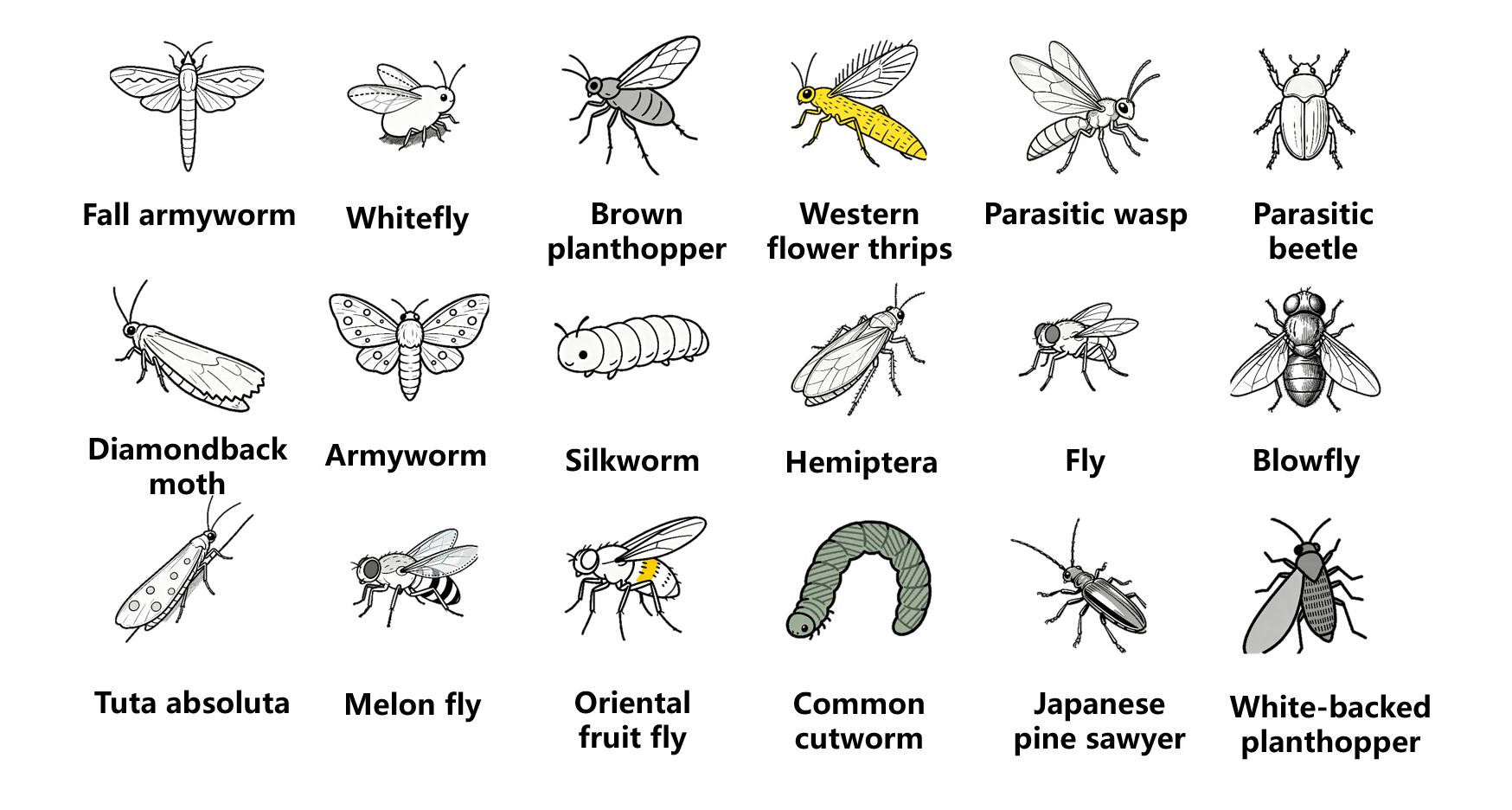
Literature Example 1—Diamondback Moth
Guo, Zhaojiang et al. Innovation
The study discovered that PxGLD-miR-8545 regulates 20E resistance. AtaGenix developed polyclonal anti-GLD and monoclonal anti-AGO1 antibodies, used in this paper to dissect and validate the “PxDfd-miR-8545-PxGLD-20E” regulatory pathway.

Literature Example 2—Fall Armyworm
Liu, Yi et al. Bioresource technology
Metagenomic mining identified a thermostable laccase (>60°C). AtaGenix constructed a baculovirus-insect cell expression system and purified the protein, achieving a yield of over 5 mg/L.

Aquatic Organisms: Research Support Across Ocean Depths
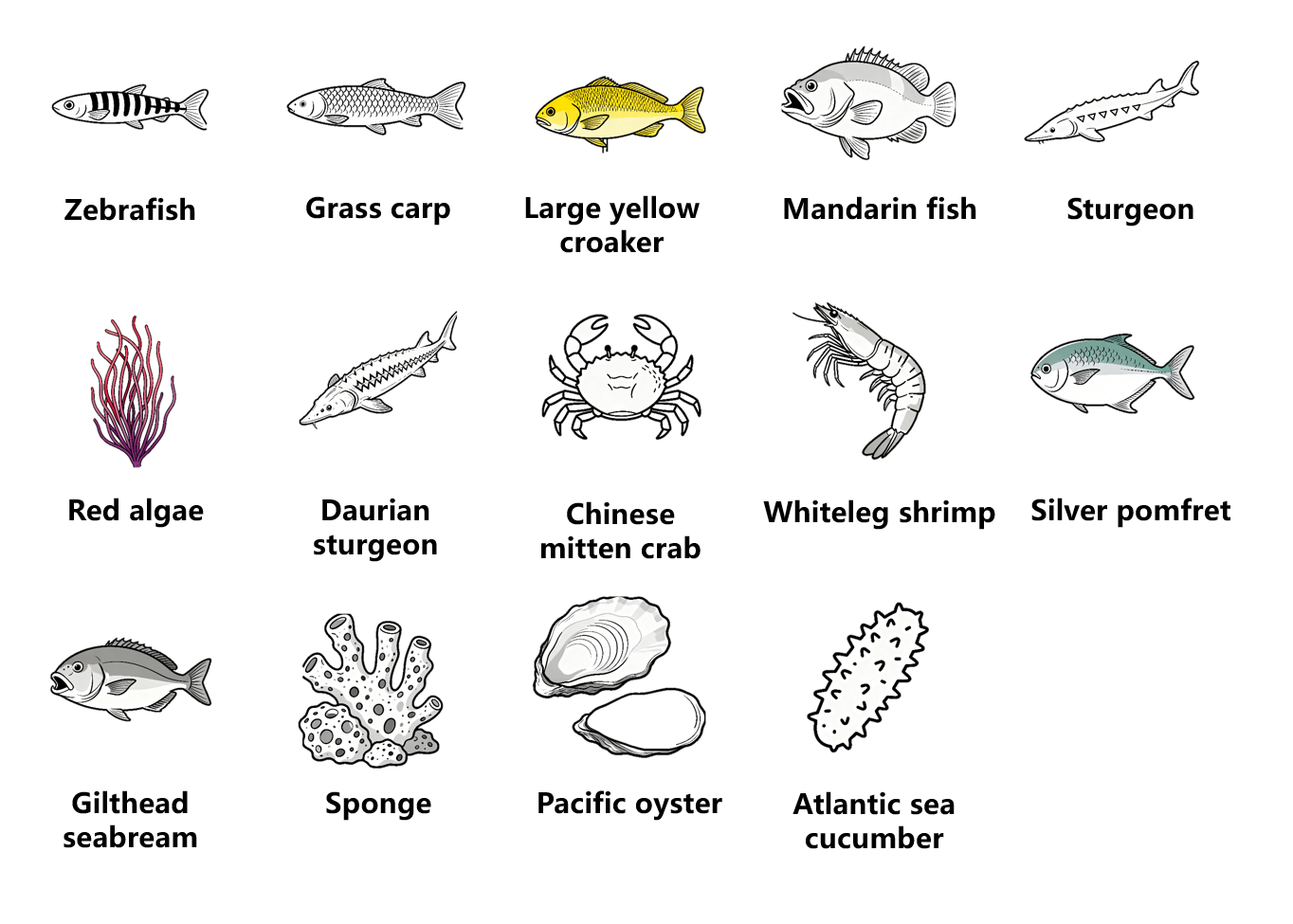
Literature Example 1—Grass Carp
Ma, Zi-You et al. Frontiers in immunology
The study found that C3a enhances B cell phagocytosis. AtaGenix developed polyclonal antibodies against C3a.1 and C3aR, used in flow cytometry functional assays in this paper.

Literature Example 2—Pacific White Shrimp
Xu, Li Li et al. Journal of agricultural and food chemistry
The study compared the allergenicity of natural and recombinant tropomyosin. AtaGenix expressed and purified highly active recombinant TM protein, serving as a key material for IgE binding experiments and the core tool for comparing nTM and rTM allergenicity differences and validating rTM’s hypoallergenic potential.

Archaea: Translation Mechanisms in Extreme Environments
Literature Example—Sulfolobus acidocaldarius (Archaea)
Bourgeois, Gabrielle, et al. Nature communications
The study resolved the translation initiation complex with leaderless mRNA, identifying archaea-specific proteins aS33/aS34. AtaGenix developed polyclonal antibodies against aS33/aS34, used in this paper to verify the presence, expression, and distribution of these novel ribosomal proteins, aiding functional studies.

Bacteria: Molecular Mechanisms in Pathogens and Industrial Strains
Literature Example—Mycobacterium tuberculosis
Earp, Jennifer C., et al. Nature communications (2025, Online ahead of print)
The study elucidated the transmembrane transport structure of MmpL4. AtaGenix developed polyclonal antiserum against the extracellular domain of MmpL4, used to confirm normal expression of MmpL4 and its variants in Mycobacterium tuberculosis via Western blot.

Parasites and Protozoa: Covert Parasitism and Host Defense
Literature Example 1—Azumiobodo hoyamushi
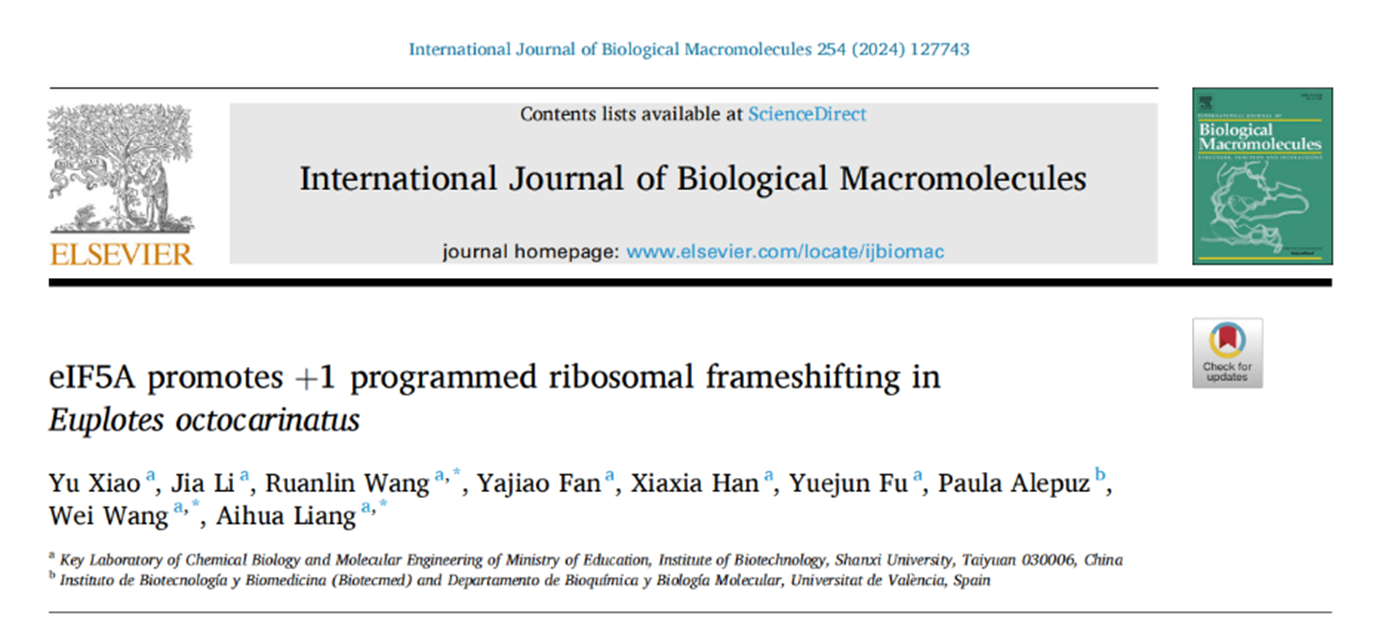
Xiao, Yu et al. International journal of biological macromolecules
The study found that eIF5A hypusination regulates +1/-1 ribosomal frameshifting. AtaGenix developed a monoclonal antibody against hypusine, used for specific recognition of hypusine molecules or their modified products, supporting detection, localization, and related modification mechanism studies of hypusine.
Literature Example 2—Tick + SFTSV
Wang L, Sun F, et al. Arch Toxicol.
The study discovered that tick salivary peptides promote SFTSV replication. AtaGenix developed a highly stable rabbit polyclonal antibody against SFTSV NP, specifically quantifying SFTSV replication levels and providing direct evidence for the phenomenon of “tick salivary peptide HIDfsin2 promoting SFTSV replication.”

Literature Example 3—Cryptosporidium parvum
Shu, Fanfan et al. Frontiers in microbiology
The study characterized the kinase function of CpCDPK2A. AtaGenix developed a monoclonal antibody against CpCDPK2A, used to verify the presence and specificity of native CpCDPK2A protein (Western blot), determine its localization across developmental stages (IFA, IEM), and assess its role in parasite invasion (in vitro neutralization assays).

Have custom needs for exotic species or challenging targets?
Consult our expert technical team nowFrom land to deep sea, from single-celled organisms to higher life forms, from 80°C thermophilic archaea to human membrane proteins, AtaGenix stands shoulder-to-shoulder with global researchers. With over a decade of technical expertise, we deliver end-to-end solutions from gene synthesis to functional validation. Every “exotic” species request is a critical step toward scientific breakthrough—AtaGenix empowers you to unlock the unknown with professional technology.
```

Contact Us

+86-27-65523339

info@atagenix.com

Building C, R & D Building, No. 666, Shendun 4th Road, Donghu New Technology Development Zone, Wuhan